Surviving the First Holidays After Loss: What to Expect and How to Get Through
The first holiday season after losing someone you love is one of grief's hardest chapters. Here's an honest guide to what to expect, and how to survive it.
The Care Matters Team 6 min read
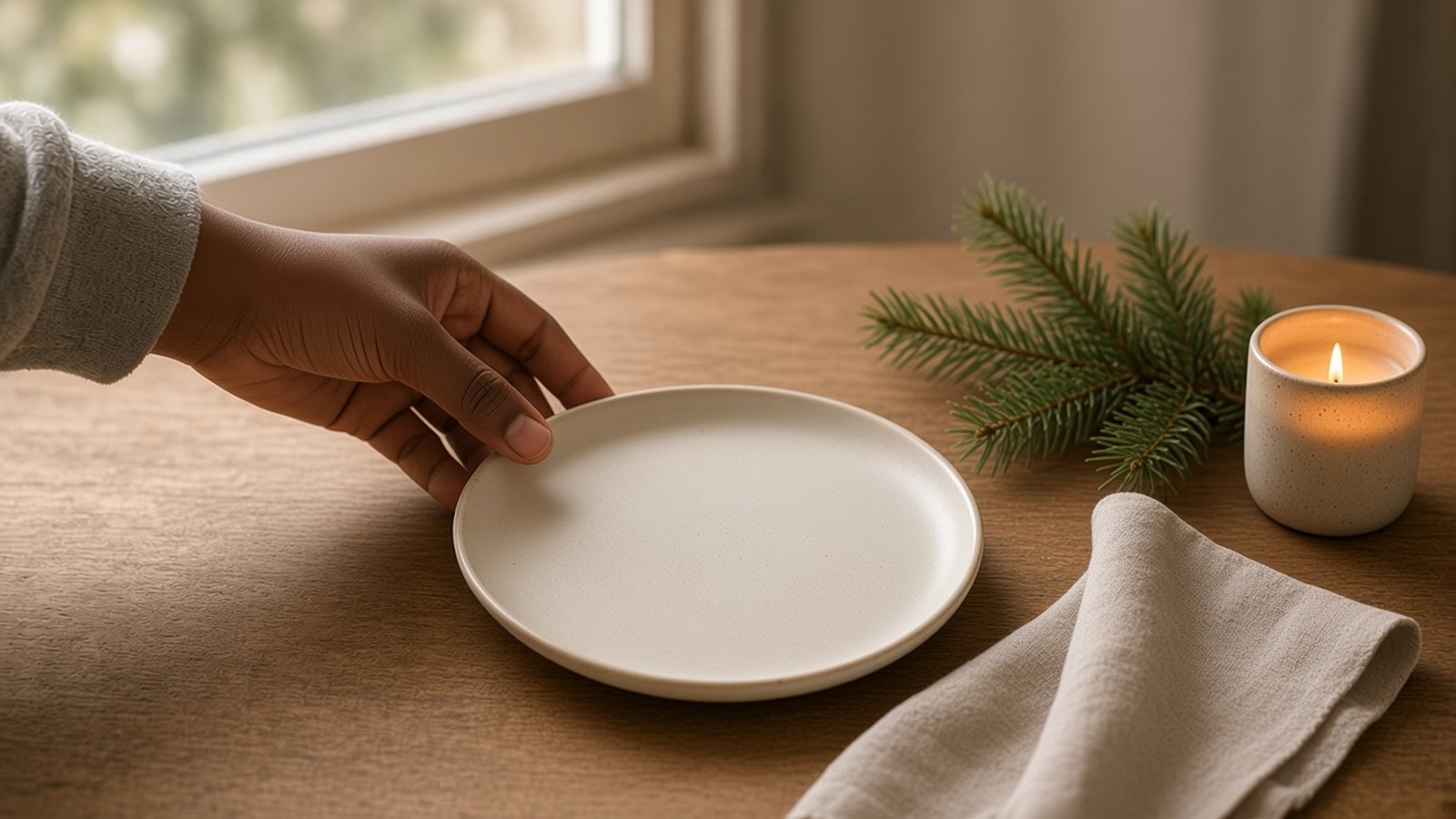
No one warns you how loud the holidays are when someone is missing from them.
The songs, the traditions, the family gatherings. All of it is designed around the assumption that everyone who was there last year will be there again this year. When someone you love is gone, the holidays don't just feel different. They feel wrong in a way that's hard to explain to people who haven't been through it.
If you're approaching your first holiday season without someone you love, or if you're trying to support someone who is, this is for you.
Why the First Holidays Hit So Hard
Grief counselors consistently identify the first holiday season after a loss as one of the most difficult milestones in the first year of grief. There are a few reasons for this:
The anticipation is often worse than the day itself. In the weeks leading up to Thanksgiving, Christmas, Hanukkah, or any major holiday, grief tends to surge. The reminders are everywhere, the store displays, the music, the invitations, the questions from well-meaning people about your plans. By the time the actual day arrives, many people feel a strange relief.
Traditions create absence. The more meaningful your traditions were, the more their absence echoes. The empty chair at the dinner table. The stocking that isn't hung. The phone call you always made. The gift you don't know what to do with. Traditions are essentially rituals of presence, and grief is the experience of presence withdrawn.
Everyone else is celebrating. There's a particular loneliness in grieving during a time when the world around you is festive. Other people's joy isn't a cruelty, but it can feel isolating in a way that grief in other seasons doesn't.
Family gatherings amplify everything. Being surrounded by people who also loved the person you lost can be comforting and overwhelming at the same time. You grieve together, but not always in sync.
You Don't Have to Keep Every Tradition
One of the most important permissions you can give yourself is this: you don't have to do it the way you've always done it.
Traditions are meaningful, but they were built around the people in them. When someone leaves, it's okay, more than okay, to reshape what those days look like.
Some people find comfort in keeping traditions as close to the original as possible. It feels like honoring the person who's gone, maintaining continuity with them.
Others find that the same traditions feel hollow or painful without them there, and that creating something new is a form of moving forward. Not away from the person, but alongside the reality of their absence.
Neither approach is right or wrong. The only wrong approach is forcing yourself into something that doesn't fit just because it's expected.
Practical Strategies for Getting Through
Give yourself an exit plan
If you're attending a family gathering or holiday event, go with a plan for how you'll leave if you need to. Tell someone you trust that you may need to step outside or head home early. Having that option available, even if you don't use it, makes it easier to show up at all.
Decide ahead of time what you want to do with their absence
Some families find it meaningful to actively acknowledge the person who's gone: leaving their chair empty with a small candle, sharing a favorite memory at dinner, donating to a charity they loved in lieu of a gift exchange. Others find this too painful and prefer to let the day unfold without a formal moment.
Neither is wrong. But deciding ahead of time, rather than letting it catch you off guard, gives you more control.
Lower the bar significantly
You do not need to enjoy the holidays this year. You do not need to be festive, cheerful, or "in the spirit." If you get through the day and find one moment of genuine warmth or connection, that's more than enough. You are grieving. Survival is the goal.
Give yourself something to look forward to after
Book a massage for the day after Christmas. Plan a quiet dinner with one close friend for New Year's Day. Give yourself a small point of light on the other side of the hard day. It makes the day itself easier to approach.
Be honest with people who ask
When someone asks how you're doing during the holidays, you don't owe them a performance of fine. A simple "it's a hard season, but I'm getting through it" is a complete answer. People who care about you can handle the truth, and being honest often opens the door to real support.
For People Supporting Someone Who Is Grieving
If someone you love is facing their first holiday season without someone important, specific ways to help a grieving friend still apply. Here's what actually helps around the holidays:
Don't avoid the subject. Many people stay silent about the person who died because they're afraid of making the griever sad. But the griever is already sad. Saying the name of the person who died, "I keep thinking about how much Mom loved this time of year", is a gift, not a reminder.
Don't expect them to be okay. The holidays are hard for grieving people. Your job isn't to fix that or cheer them up. Your job is to be with them in it.
Check in after the holiday. The day itself often goes better than expected. The days after, when the relatives have gone home and the decorations are still up, can be lonelier. A text the week after Christmas, or the day after Thanksgiving, means a great deal.
Give something that lasts. The holidays are a meaningful time to give a gift that continues beyond the season. Something that will show up in February, in March, in the quiet months when grief resurfaces and the holiday kindness has faded.
Care Matters is designed exactly for this, a grief support program that keeps showing up after everyone else has gone home, with check-in emails, a 24/7 AI companion, and care packages timed to key moments in the grieving journey. It can be given as a gift during the holidays and received all year long. If you are choosing a gift for someone facing this season, we also have a guide to what to give for the first holidays after a loss.
A Note About the Second Holiday Season
Many people are surprised to find that the second holiday season is harder than the first. During the first year, there's still some numbness, some disbelief, some shock insulating the grief. By the second year, the reality has fully settled in. And the absence feels more permanent, not less.
If you're in your second year and struggling more than you expected, you are not failing at grief. You are grieving honestly.
There is no schedule for this. There is only the day you're in, and the permission to feel whatever you feel in it.
Care Matters is a grief support program created by James H. Cole Home for Funerals, a fourth-generation Detroit funeral home serving families since 1919. If you or someone you love is navigating grief this holiday season, learn more at care-matters.com.